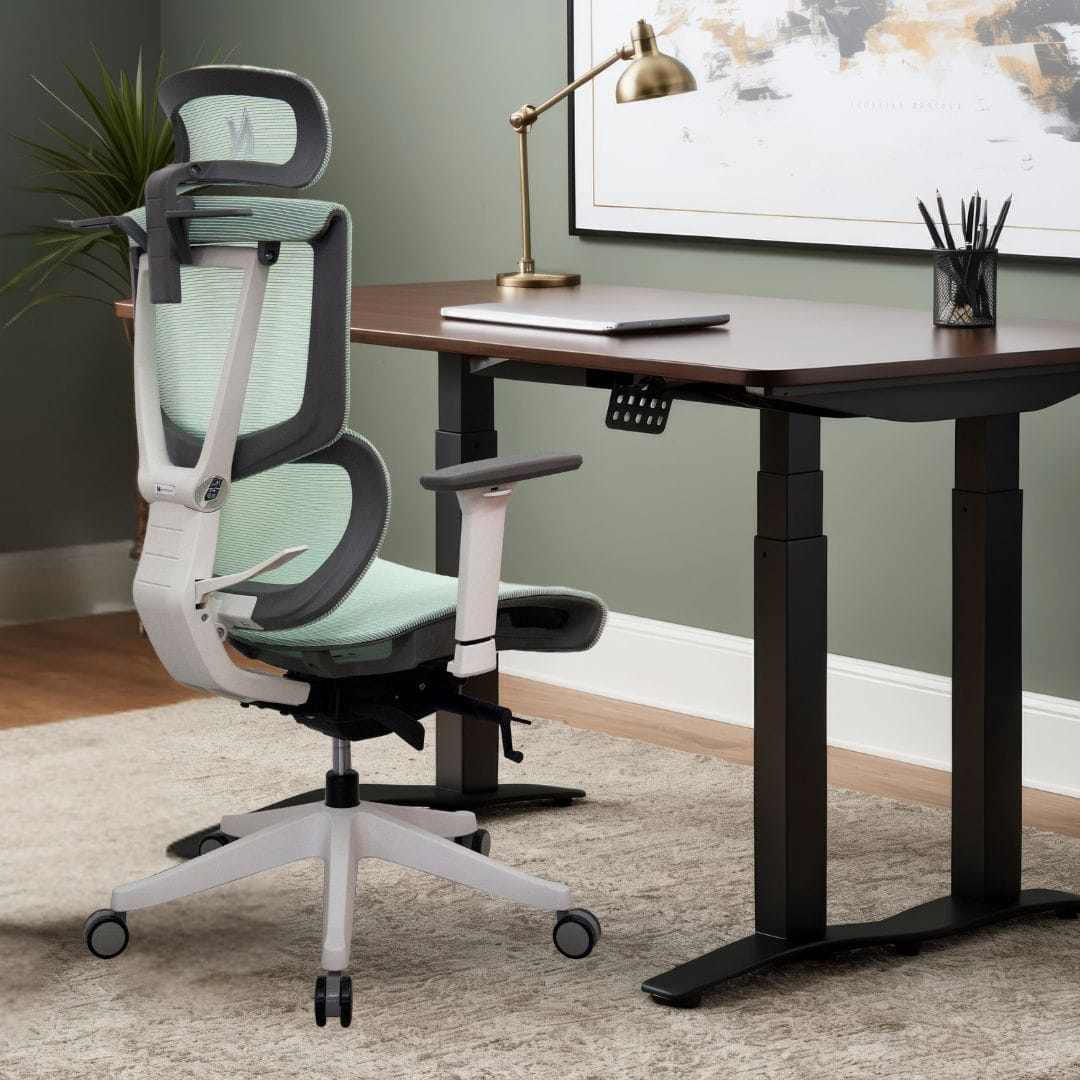
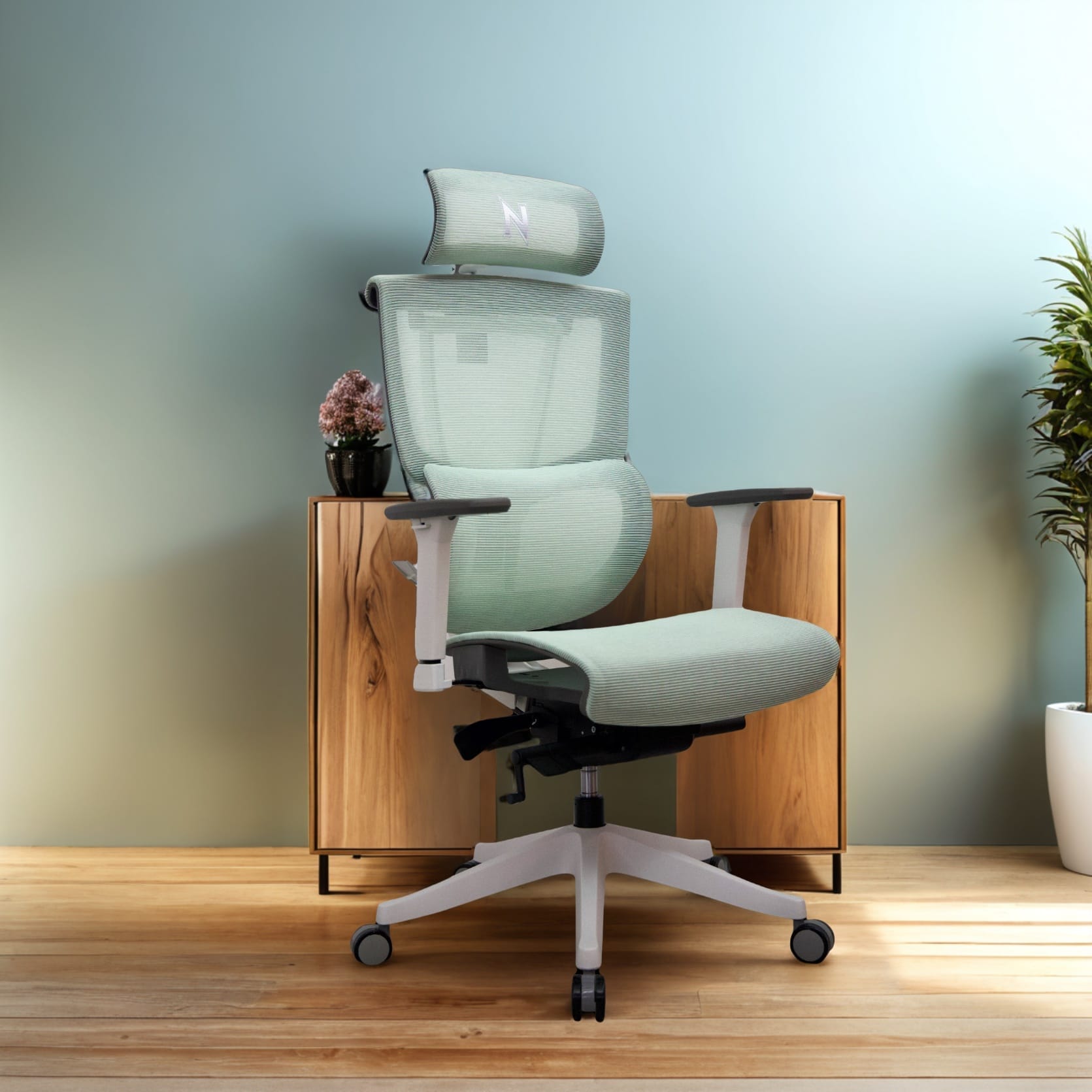
Ergonomic chairs are designed to support the human body while sitting for long periods. The look of an ergonomic chair and an office chair can be similar but only one will be ergonomic. Ergonomic chairs still exist in 2025, used to assist in maintaining good posture and preventing discomfort when working for long hours at a time.
Adjustable Features That Support Posture
The differences are mainly that with ergonomic chairs, the seat height, armrest height, lumbar support and recline tension can be adjusted to maintain the natural lumbar curve of the spine and adjust the user's position within the chair appropriately. Most office chairs do not have enough adjustability to provide appropriate support for different users.
Adjustable chairs allow for different body types and positions, and if adjusted properly may reduce back, shoulder and neck discomfort associated with permanent use of a chair.
Design That Prioritises Comfort and Movement
Some ergonomic chairs have limited dynamic adjustments such as recline or adjustable mesh seat and seat pan that conform to the user's body shape, such as relieving pressure on the pelvic floor and lower back without forcing the body into a desired position or posture.
Unlike ordinary office chairs which restrict movement and are not comfortable when used for long periods, an ergonomically designed office chair does not restrict movement and is comfortable for prolonged periods of use.
Final Thoughts
Ergonomic chairs are built for health and performance, and not mainly for aesthetics. Ergonomic chairs are generally quite different from regular office chairs and in 2025, one of the best ways to avoid postural problems, stay focused, and be comfortable while working is to choose an ergonomic chair.