

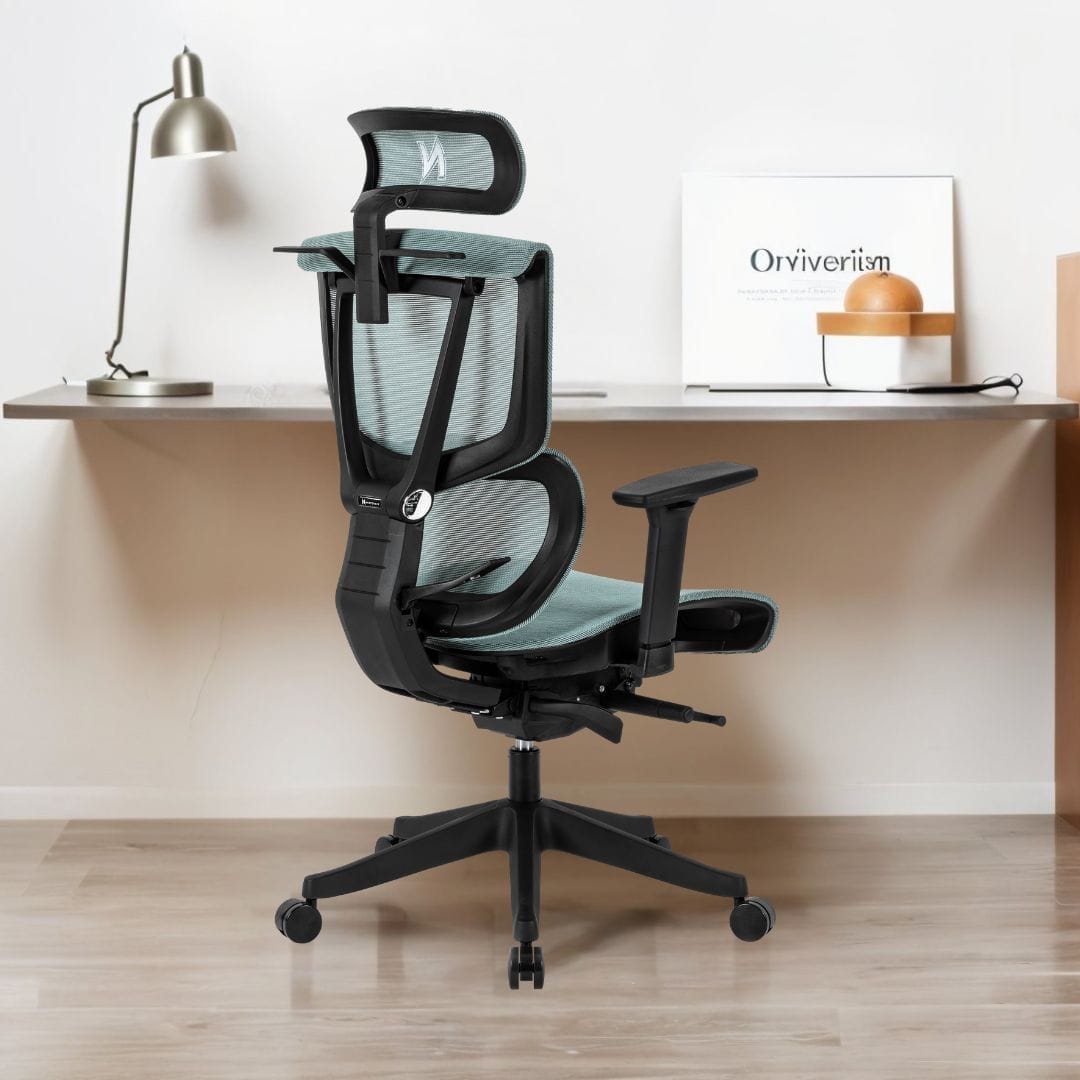
Adjustable headrests aren't a requirement, but they can add comfort for people who often sit back in a chair or a reclined position to work. As of 2025, they were deemed optional, but potentially useful if they were used correctly and provided support for the upper spine and neck.
Helpful for Neck Alignment and Reclined Sitting
The headrest promotes and maintains the natural curve of the upper spine by keeping the relatively fragile neck in a neutral position. Such a position becomes especially important when a person reclines to sleep, reads or breaks from work. Unsupported, the head falls backward or forward, and over time may become stiff or sore.
An adjustable headrest can reduce frequent neck pain by aligning the user's head and neck with the rest of the user's spine in a natural position and also by supporting healthy posture while sitting in a relaxed position.
Not Essential for Every Sitting Style
In practice, only a small percentage of people are able to recline enough to benefit from a headrest. Most people, who sit mostly upright, only need lumbar and upper back support. In their case, a well designed backrest is sufficient.
Adjustable headrests offer the most help to taller people or people who recline or wish to use the headrest to stabilize the neck more. An adjustable chair allows for optimal customization with a removable or height-adjustable headrest.
Final Thoughts
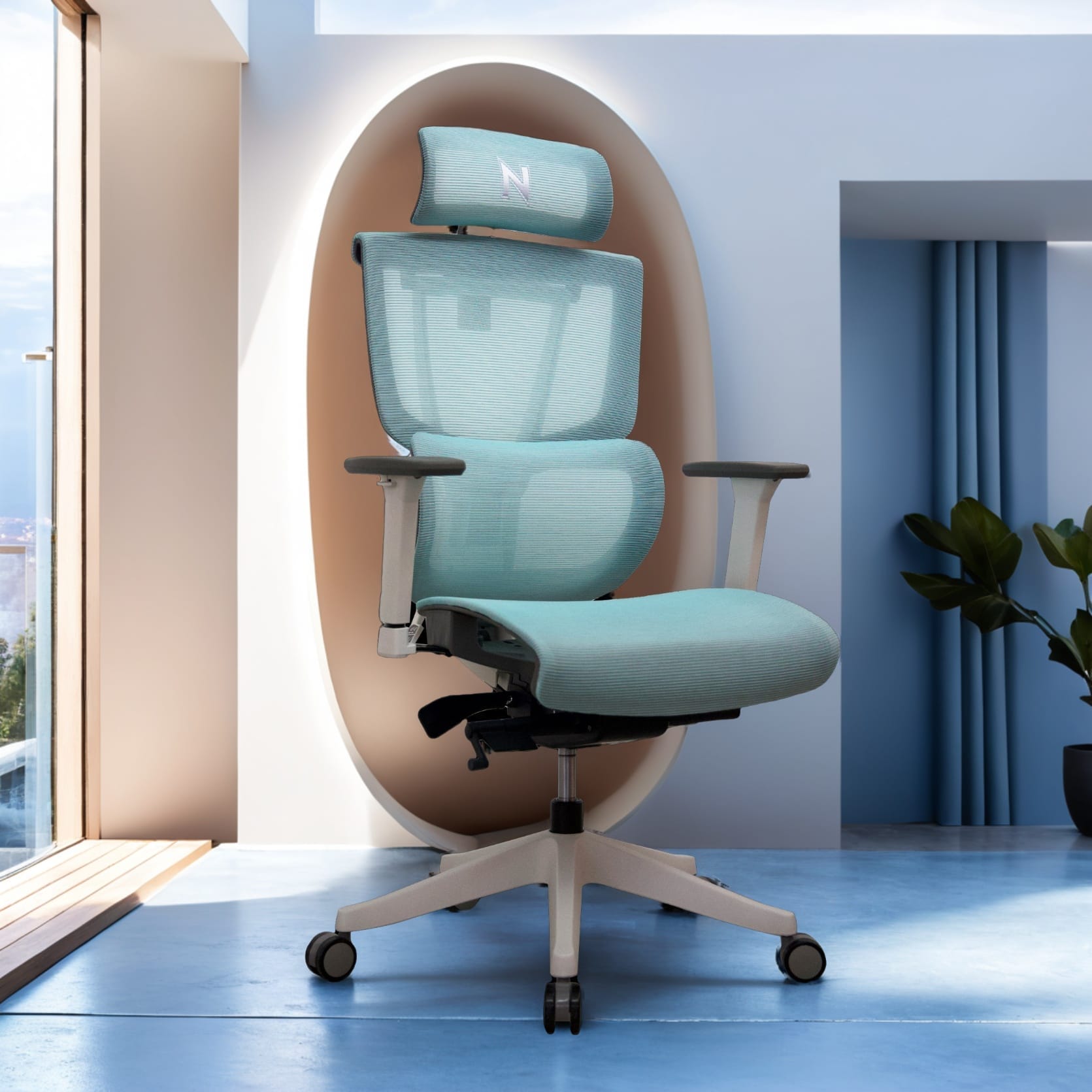
An adjustable headrest is not necessary on an ergonomic chair but is useful for people who lean back or feel pressure on the upper spine area while sitting. Others may find that a small backward angle in the backrest is sufficient. Choosing the backrest angle is a matter of individual preference, body proportions, and the use of the chair.