

All ergonomic chairs become unable to support and comfort their users over time. The best ergonomic chair loses shape and cushioning with normal use it becomes less effective at meeting the unique needs of the user. In 2025, it was suggested to reevaluate ergonomic chairs every few years for ensuring it still meets a person's needs and their body's shape.
Signs of Wear and Reduced Support
The chair probably needs replacement if adjustments do not make it comfortable. A worn-out chair shows flattened cushioning in places. It shows loose joints. It shows a creaky frame. When lumbar support does not maintain the normal curvature for the lumbar spine, the spine may stiffen with the development of low back pain.
If you can fidget in your chair, you have to lean forward or put cushions in your lower back area, and you have to get up and move around every few hours, your chair may not be ergonomic.
Upgrading for Better Ergonomic Features
Long periods of sitting may require a more comfortable chair. Some ergonomic elements such as lumbar padding systems, breathable mesh fabrics and better weight distribution are now available to reduce discomfort while allowing for better adjustability options in chairs. An improved chair may reduce fatigue and increase work efficiency.
Replacing the chair can provide one that encourages better posture or better seat height / armrest / seat tilt adjustability and may also encourage better sitting habits at the workstation.
Final Thoughts
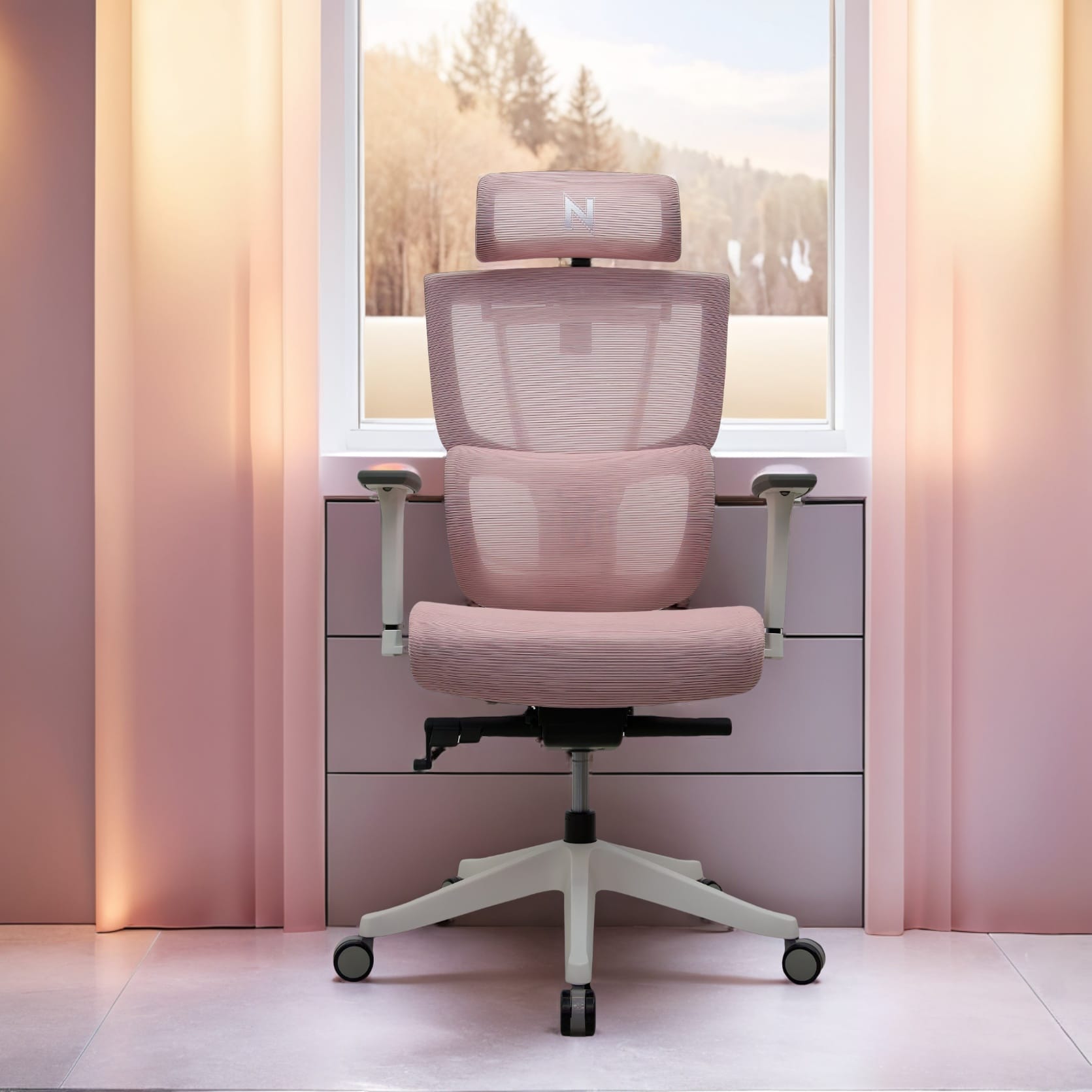
An ergonomic chair should support your body comfortably every day. When it starts causing pain, loses stability, or feels worn out, it’s time to replace it. Investing in a new, well-designed chair ensures you stay supported, focused, and comfortable throughout your work routine.