Ergonomic Chair

How do you know if your office chair isn’t good for your posture?

Your office chair isn’t good for your posture if you frequently slouch‚ hunch or shift positions in your office chair throughout the day‚ and experience discomfort.

Many workers suffer back pain or discomfort due to long hours at the office‚ but the seat itself can be part of the problem․ A chair should accommodate the body‚ rather than forcing the muscles and joints to compensate for suboptimal support․ If your chair is working against your body‚ there are usually warning signs well before you experience any pain․

Lower back pain that becomes worse as the day progresses is one of the more common symptoms of the condition․ Lumbar support is not provided in a chair which does not maintain the lordotic curve of the spine․ This puts more pressure on the muscles in your lower back to hold you up․ If your lower back feels stiff and sore after sitting for several hours‚ your chair may not be supportive enough․

If you regularly find yourself leaning forward towards the computer‚ or hunching forward and rounding your shoulders at your desk‚ your chair is not providing the right support to maintain good posture․ Over time this position puts increased strain on the neck‚ shoulders and upper back‚ causing them to feel tense and sore․

If you fidget‚ then that might also be a clue․ One or two shifts in your seat are usually normal‚ but if you’re constantly moving in your chair trying to find a comfortable position‚ you might need support․ The right ergonomic chair for you should be comfortable enough to let you sit for long periods of time without needing to fidget․

If your shoulders feel raised or your arms feel unsupported while typing‚ your armrests may not be adjusted properly or they may not be adjustable enough to properly support your arms․ If the arm support is unsuitable‚ tension in the shoulder joint and upper back will start to fatigue․

Seat comfort is also important․ If the backs of your thighs rest against the front edge of the seat‚ or your legs go numb or feel uncomfortable in the area of your hips‚ the seat height‚ depth‚ or cushion may be wrong․ These may affect circulation and make it more difficult to sit in a stable manner․

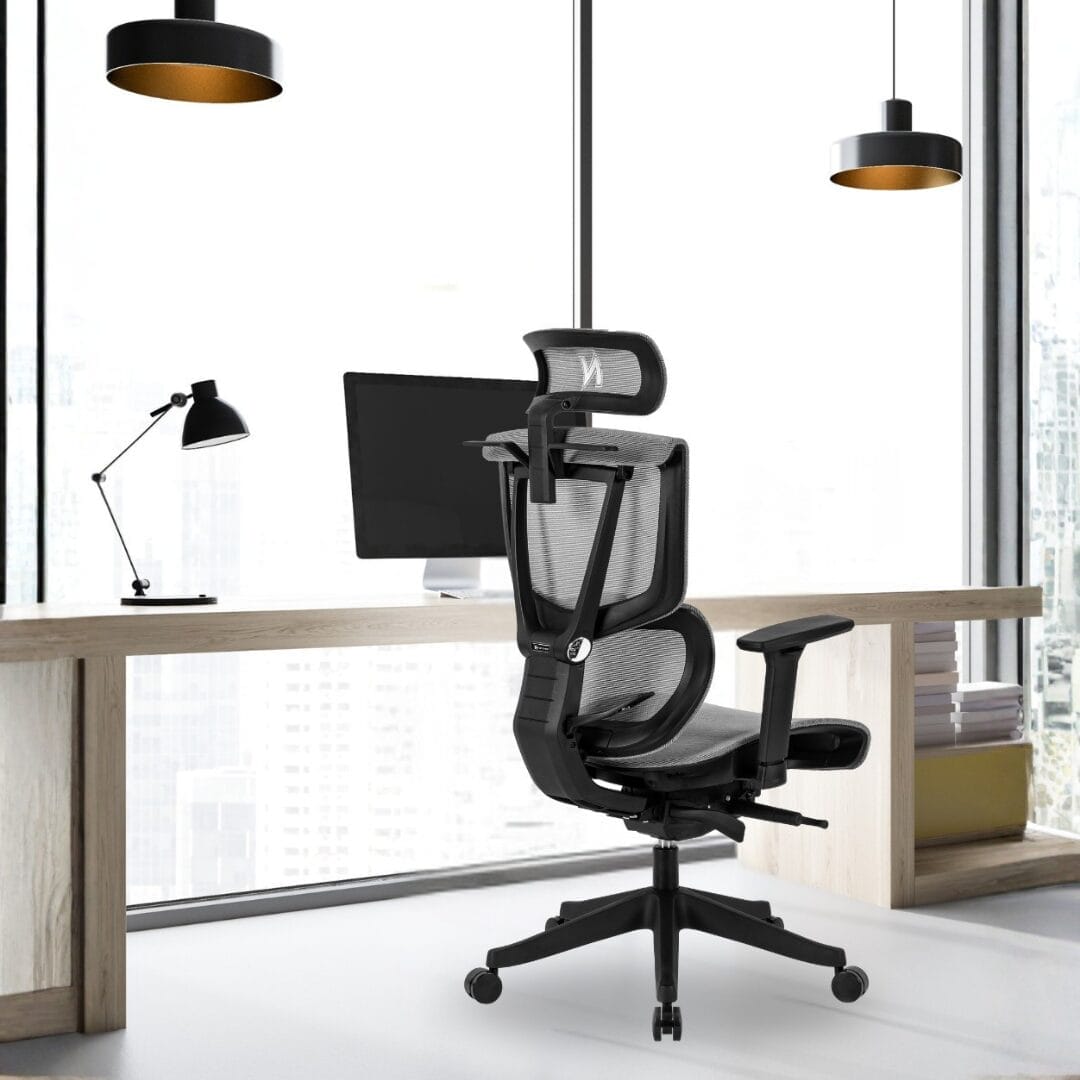
Modern ergonomic office chairs attempt to provide adjustable features such as lumbar support‚ seat depth adjustment‚ recline tension‚ headrest adjustment and armrest adjustment․ For example‚ chairs like the NextChair Luxe offer the user a way to adjust the chair to fit his or her body dimensions‚ rather than the user having to adjust his or her body to fit his or her chair․

 Final Thoughts

If you experience regular back pain‚ neck stiffness‚ shoulder pain‚ or are always fidgeting‚ adjusting‚ or shuffling in your chair to get comfortable‚ these could be signs that the chair you are using is not supportive enough for your body at all or that you may need to make additional ergonomic changes․